Wall insulation is one of those upgrades you often do once and then benefit from every day. It can cut heat loss through walls, reduce condensation, improve comfort, and even make a home quieter. The case studies below share how different households approached wall insulation and what changed for them afterwards.
Case Study 1: Selali and Kojo, semi-detached home in Manchester
Selali and Kojo live in a 1930s semi-detached house where the front rooms have always felt noticeably colder than the rest of the home since they moved in. On winter evenings, the heating would run for hours, yet the living room never quite reached a comfortable temperature, and the external walls felt chilly to the touch.

After learning that uninsulated cavity walls can account for a large amount of heat loss, they booked an installer to add cavity wall insulation. The work took less than half a day, involving small drill holes in the mortar joints and the injection of insulation into the cavity. There was very little mess, and they stayed at home throughout the process.
Within a week, they noticed a real difference. The house warmed up more quickly in the mornings and stayed warm for longer once the heating was switched off. Their boiler ran far less often, and the persistent cold spots in the front rooms disappeared. By the end of the winter, their energy bills were noticeably lower than the year before, despite keeping the thermostat at the same settings.
Another welcome improvement was the quieter front rooms. The insulation helped soften noise from the nearby main road, which made evenings feel calmer. Selali says, “We just wish we had done it sooner. The house feels warmer, we use the heating less, and the front room is so much more comfortable.”
Case Study 2: Susiban and Liz, flat conversion in London
Susiban and Liz live in a first-floor flat within a converted period house. While the external walls were reasonably insulated, the party wall and some internal partitions were thin, offering minimal sound reduction and heat retention. They could hear everyday noises from the neighbouring flat, and heat from their living room escaped easily into the uninsulated hallway and stairwell.
During planned redecorating work, they decided to add mineral wool insulation to key stud walls, including the party wall and the wall between the living room and the unheated stairwell. The plasterboard was removed, insulation was fitted between the studs, and new sound-rated plasterboard was installed. Each room took only a few days, and the work fitted neatly into their existing renovation plans.
Afterwards, normal household noise from next door was much less noticeable, and the living room felt more private and peaceful. They also found that the room stayed warmer in the evenings because less heat was being lost into unheated parts of the building. The flat now feels more like a self-contained home rather than part of a noisy conversion. Liz says, “We had not realised how much difference insulating internal walls could make. It is quieter, warmer and just a nicer space to relax in.”
Case Study 3: The O’Neills, detached house in Edinburgh
The O’Neills live in a 1950s detached home on an exposed hilltop, where strong winds and driving rain are common in winter. Even with modern double glazing and good loft insulation, the house was difficult to keep warm and several external walls developed recurring condensation near window reveals.
They decided that external wall insulation would offer the most complete solution. Installers fixed insulation boards to the outside walls, added reinforcing mesh, and finished the surface with a new coloured render. The work took a couple of weeks with scaffolding in place, but the family stayed in the house throughout.
Once finished, the difference was immediate. Rooms that used to feel cold on windy days became noticeably cosier, and the heating did not need to run for as long to maintain a comfortable temperature. The recurring condensation stopped, and the overall humidity indoors was easier to control.
The fresh render also improved the house’s overall appearance, making it feel more modern and well-kept. Mrs O’Neill says, “The house finally feels how it should. No more cold draughts and no more wiping down condensation every morning. It looks better from the outside, too, which was a nice bonus.”
Case Study 4: Martin, Victorian terrace in Hertfordshire
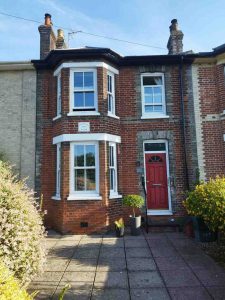
Martin owns a Victorian terrace with solid brick walls that always felt cold in winter, especially the external living room wall. It was often cold to the touch, and on cool nights, condensation would build up behind the sofa, raising concerns about damp and mould.
Because solid walls have no cavity to fill, he opted for internal wall insulation using insulated plasterboard. This brought the wall slightly inwards, but the installer planned the layout carefully so that sockets and skirting boards could be repositioned without making the room feel smaller. The work was done one room at a time to keep disruption to a minimum.
After the upgrade, the external walls no longer felt cold, and the room’s temperature stayed far more consistent. The house held heat for longer once the radiators turned off, rather than cooling rapidly. The condensation patches behind furniture disappeared, reassuring Martin that the walls were now able to stay dry.
He was also pleased to see an improvement in his EPC rating, something he knows will help if he decides to sell or rent the property. “It has made a real difference to how the house feels,” he explains. “I used to keep the heating on for ages. Now I turn it off, and the place stays warm.”
Thinking about insulating your own walls?
If you are unsure which type of wall insulation suits your property or you have questions about costs, suitability or finding an installer, we are here to help.
You can ask us anything at: https://wallinsulation.co.uk/ask-a-question/.