Cavity wall insulation problems: this type of has been installed in millions of UK homes since the 1970s. When it works, it reduces heat loss and cuts energy bills. But a significant number of installations have failed, and if yours is one of them, the consequences range from damp patches and mould to structural damage and poor air quality. This guide explains the most common cavity wall insulation problems, how to identify them, and what your options are.
How Cavity Wall Insulation Problems Occur
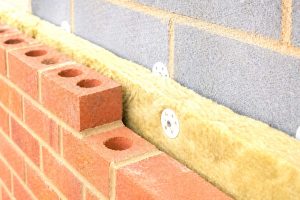
Cavity wall insulation fills the gap between the inner and outer leaf of a cavity wall with a material, usually mineral wool, EPS beads, or polyurethane foam. When the cavity is dry, the walls are in good condition, and the installation follows the correct specification, it performs well for decades.
Problems arise when one or more of these conditions does not hold. The main failure modes are:
Poorly assessed properties. Not every cavity wall suits insulation. Exposed locations, properties with a history of damp, walls with existing bridging debris, or cavities that are too narrow are all situations where installation can cause more harm than good. Surveys that miss these risks produce bad outcomes.
Failed or degraded fill material. Mineral wool can slump over time, leaving the top of the cavity unfilled and cold. EPS beads can shift or settle. Foam can shrink or crack. Any of these create cold spots and moisture pathways.
Moisture bridging. Insulation material that contacts both the inner and outer leaf of the wall creates a bridge for moisture to cross. In a dry cavity this does not matter, but in a wet cavity, particularly on an exposed elevation, it draws water inward.
Installation in unsuitable conditions. Installing in rain or high humidity, or on walls that already have defects, frequently causes problems that only appear months or years later.
The Most Common Cavity Wall Insulation Problems
Damp and Penetrating Moisture
The most widely reported problem. Homeowners notice damp patches on interior walls, usually on exposed elevations, typically the windward gable or the front face of a property that faces prevailing rain.
The mechanism: rainwater penetrates the outer leaf of the wall (through mortar joints, cracks, or poorly maintained pointing), contacts the insulation material, and travels inward to the inner leaf. In an empty cavity, water that gets into the outer leaf runs harmlessly down to the damp proof course. With insulation present, it has a pathway across.
Signs to look for:
- Damp patches that appear or worsen after rain
- Patches on specific elevations rather than throughout the property
- Staining or tide marks on plaster
- Cold, damp-feeling walls on exposed sides of the house
Mould Growth
Persistent damp creates the conditions for mould. Mould most commonly appears at cold spots, corners, behind furniture, around windows, but if cavity insulation failure drives sustained moisture into the inner leaf, mould growth can occur across larger wall areas.
Mould from insulation-related damp is different from condensation mould in an important way: it tends to appear on external walls regardless of ventilation, and treating it internally does not resolve it while the moisture source persists.
Cold Spots and Inconsistent Heating
If insulation material has settled or slumped, sections of the wall lose their insulating effect. Homeowners notice that certain walls or rooms feel significantly colder than others, or that heating demands have increased rather than decreased since installation.
A thermal imaging survey identifies cold spots clearly. Areas where insulation has settled show as cold patches against the warmer, insulated sections of the wall.
Condensation and Internal Moisture
Filling a cavity changes the thermal dynamics of the wall. If the installation moves the dew point, the temperature at which moisture in the air condenses, to a location within the wall structure, interstitial condensation can result. This is more common with certain foam installations and in properties with high internal humidity.
Structural Damage in Rare Cases
In extreme cases, prolonged moisture ingress caused by failed cavity insulation leads to deterioration of mortar joints, spalling of brickwork, or damage to timber elements such as lintels, floor joists, and window frames. This is the worst-case outcome of an unaddressed installation failure and typically takes years to develop.
How to Tell if Your Cavity Wall Insulation Has Failed
Several methods help diagnose whether cavity insulation is causing problems.
Thermal imaging survey. An infrared camera survey of the external or internal walls shows heat loss patterns clearly. Cold patches, missing insulation sections, and moisture pathways all appear as distinct thermal signatures. A qualified thermographer can identify the nature and extent of any failure.
Borescope inspection. A small camera inserted through a drilled hole in the mortar joint allows visual inspection of the cavity and the insulation fill. This confirms whether material is present, how settled it is, and whether moisture or debris is present.
Pattern of damp. Damp that correlates with rainfall and appears on exposed elevations strongly suggests cavity bridging rather than condensation or plumbing issues.
Age and installation method. Pre-2000 mineral wool installations, and any installations carried out under government schemes in the 1990s that were not always well supervised, carry a higher failure risk. Foam installations from the same era can also degrade.
If you suspect a problem, get a professional survey before doing anything else. Treating the symptoms internally, redecorating, applying waterproof paint, fitting a dehumidifier, does not address the cause and can mask progressive damage.
What Are Your Options if Cavity Wall Insulation Problems Come Up?
Cavity Wall Insulation Removal
Extraction of failed insulation material is the most thorough solution. A specialist contractor drills a grid of holes through the outer leaf of the wall and uses a high-powered vacuum extraction system to remove the insulation material. The holes then receive matching mortar plugs.
Extraction removes the moisture bridging pathway and allows the cavity to function as originally intended. It is the right option where:
- The insulation is causing active damp problems
- The material has significantly degraded or settled
- The property is in an exposed location and unsuitable for re-insulation
- Structural damage has begun
Extraction costs range from £1,500 to £4,000 for a typical semi-detached house, depending on property size and the material type. Mineral wool extracts more easily than foam.
After extraction, it is worth having the wall surveyed to confirm damp has resolved before considering whether re-insulation with a different system is appropriate.
Cavity Wall Insulation Replacement
Where extraction removes failed material, replacement with EPS beads is sometimes appropriate for properties that can support insulation with better moisture performance. EPS beads are less prone to moisture bridging than mineral wool because they do not wick water in the same way, and the bonding agent holds them in place rather than allowing slumping.
Replacement only makes sense where the root cause of the original failure, typically wall defects or exposure, has been addressed.
External Wall Insulation as an Alternative
For properties where cavity insulation has failed and is unsuitable for re-insulation, external wall insulation (EWI) offers an alternative route to improved thermal performance that does not interact with the cavity at all. EWI sits outside the wall entirely, so it does not create moisture bridging and does not depend on the condition of the cavity.
EWI costs significantly more than cavity insulation but solves the thermal performance problem without re-engaging the problematic cavity.
Making Good the Wall
Where extraction has resolved the moisture problem and the homeowner does not wish to re-insulate, the priority is repairing any wall defects that allowed water into the cavity: repointing deteriorated mortar, repairing render, treating cracked brickwork, and ensuring gutters and downpipes do not allow water to run down the wall face.
CIGA Guarantee and Complaints
If your cavity wall insulation was installed by a CIGA (Cavity Insulation Guarantee Agency) registered installer, it should carry a 25-year guarantee. CIGA investigates complaints about installations that have caused damage and, in some cases, contributes to the cost of remediation.
To make a CIGA complaint:
- Gather evidence: survey reports, photographs, records of when problems started
- Contact CIGA directly via their website with your guarantee reference number
- CIGA assigns an independent inspector to assess the installation and any damage
- If they uphold the complaint, they arrange and fund remedial works through a registered contractor
Not all installations carry a CIGA guarantee, particularly older or informally arranged jobs. If yours does not, you may have a claim against the installer under contract law if they are still trading, or through a trade body if they were a member.
Preventing Cavity Wall Insulation Problems in the First Place
If you are considering cavity wall insulation on a property that does not yet have it, these checks reduce the risk of future problems.
Choose a CIGA-registered installer. Registration requires adherence to the BBA-approved installation standard, which includes a pre-installation survey. An installer who skips the survey or quotes without visiting the property is a red flag.
Insist on a proper survey. The survey should assess exposure rating, wall condition, mortar quality, and the presence of any existing bridging or debris in the cavity. A property in an exposed location, a coastal or upland area, a gable facing prevailing wind, may not be suitable regardless of wall condition.
Check the cavity width. The cavity needs to be at least 50mm wide for most systems. Narrower cavities are harder to fill evenly and carry a higher risk of incomplete coverage.
Address existing defects first. Any pointing deterioration, render cracking, or gutter defects should receive attention before insulation goes in, not after.
Frequently Asked Questions
How common are cavity wall insulation problems?
Estimates vary, but several independent surveys have found that a material proportion of pre-2000 mineral wool installations in exposed locations show signs of moisture problems. The issue is significant enough that the government has funded extraction programmes in some affected areas.
Can I claim compensation for damage caused by cavity wall insulation problems?
Possibly. If the installation carries a CIGA guarantee, start there. If the installer still trades, you may have a civil claim. If the installation was funded through a government scheme, there may be additional routes. A solicitor with experience in construction defects can advise on your specific situation.
Will removing cavity insulation make my house colder?
Your house will return to its pre-insulation thermal performance, which for most properties means somewhat higher heating costs than with functioning insulation. However, if failed insulation is currently driving damp and making the internal fabric of the house wet, removing it often improves comfort despite the loss of the insulating effect, because wet walls lose heat far more rapidly than dry ones.
Can cavity wall insulation problems affect neighbours in a terrace?
Yes. In a terraced row, cavities sometimes connect across party walls if the original construction did not include cavity barriers at the party wall position. Failed insulation or moisture in one property’s cavity can migrate to neighbouring cavities. This is more common in older terraces.
Is EPS bead better than mineral wool for avoiding problems?
EPS beads have a better track record in exposed locations because they do not absorb water and do not slump. They cost more than mineral wool but the improved moisture performance makes them worth considering for properties with any exposure risk.
Got a question? Ask us!
Information correct as of April 2026. If you suspect cavity wall insulation problems, get a professional survey from a qualified thermographer or specialist contractor before committing to any remedial work.