We use cookies to provide you with a better experience. By continuing to use this site, you agree to our use of cookies.

Cavity wall insulation beads: A simple way to improve your home’s efficiency

What are cavity wall insulation beads?
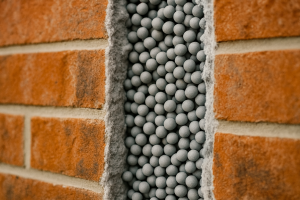
Cavity Wall BeadsCavity wall insulation beads are tiny polystyrene or graphite-enhanced beads injected into the cavity between your external walls to reduce heat loss and improve energy efficiency. These beads fill the cavity uniformly, creating an insulating layer that prevents warm air from escaping and cold air from entering. Their free-flowing nature allows them to fill awkward or irregular gaps more effectively than some other materials, making them a popular modern choice for cavity wall insulation.

How do cavity wall insulation beads work?

The beads form a continuous insulating layer inside the cavity, slowing heat transfer through the walls. When mixed with a bonding agent during injection, they lock together to create a stable system that reduces thermal bridging and air leakage. This improves the thermal performance of your home, keeping it warmer in winter and cooler in summer, thereby enhancing comfort throughout the year.

Why should you choose insulation beads for cavity walls?

Beads offer excellent coverage and strong, reliable thermal performance. They flow evenly to fill the cavity, avoiding cold spots or gaps that other insulation types may leave. Their low moisture absorption makes them particularly suitable for UK climates, including coastal and high rainfall areas. Homeowners and landlords benefit from effective EPC improvements, while builders and housing associations appreciate the quick, code-compliant installation.

What are the benefits of cavity wall insulation beads?

  • Reduced heat loss: Slows heat escaping, keeping interiors warmer.
  • Lower energy bills: Better insulation means reduced heating costs.
  • Improved comfort: Eliminates cold patches and temperature swings.
  • Moisture resistance: Limits water absorption, reducing condensation risks.
  • Higher EPC ratings: Boosts energy performance certificates.
  • Quick installation: Most homes are insulated within a few hours with minimal disruption.
  • Sustainability: Reduced heating demand lowers carbon footprint, although the beads themselves are 

These benefits make bead insulation an ideal choice for homeowners, landlords, developers, and contractors seeking durable, effective solutions.

Downsides of cavity wall insulation beads

Most beads are made of polystyrene, which has a significant negative environmental impact. It is non-biodegradable and breaks down slowly into micro plastics that can pollute the environment and cause harm to wildlife. Producing this plastic-based material is energy-intensive, and disposing of or burning it releases toxic chemicals. It is complicated and uneconomical to recycle.

Recycled beads are available, such as blown mineral fibre, made from strands of recycled glass or rock wool. Beads made from natural materials, including hemp, wood fibre, cotton, or sheep’s wool, are also becoming popular. 

Are cavity wall insulation beads suitable for all homes?

They are appropriate for most UK homes built after the 1920s with unfilled cavity walls. However, narrow cavities, damp issues, or structural defects require professional surveys to be conducted before installation. Experts assess the wall’s suitability, identify potential moisture risks, and recommend the best method, ensuring compliance and effectiveness.

How much do cavity wall insulation beads cost?

Costs typically range from £10 to £25 per square metre, influenced by property size, bead type, and labour. Detached homes often incur higher costs, while mid-terrace properties are generally less expensive. Large-volume projects may secure bulk pricing, particularly for housing providers and developers. The investment is often recovered within a few years through reduced heating costs.

Are grants available for bead insulation?

While few schemes target bead insulation alone, grants may support it as part of broader energy efficiency improvements. Available funding includes ECO4 for low-income households and Local Authority Delivery programmes for properties not connected to the main gas grid. Grant availability changes frequently, so it is advisable to check with qualified installers or local authorities for up-to-date information.

Improve your home with professional cavity wall insulation

Cavity wall insulation beads offer a durable, effective solution to reduce heat loss, lower energy bills, and improve thermal efficiency. Whether you want to enhance your EPC rating or simply reduce drafts, bead insulation offers a practical and proven solution. 

Wall Insulation Board: Types, Benefits & Buy Online

What is a wall insulation board?

A wall insulation board is a solid panel designed to improve a building’s thermal efficiency by reducing heat loss through walls. These boards are made from various insulating materials, each with distinct properties, including thermal performance, fire resistance, and moisture control.

How it works

Wall insulation boards are designed to slow the movement of heat between the inside and outside of your home. By fitting these panels internally or externally, you can cut heat loss by up to 35%, reduce carbon emissions, improve EPC ratings, and enjoy more consistent, comfortable indoor temperatures, whether you’re a homeowner, landlord, or builder.

Common applications 

Wall insulation boards are widely used to upgrade energy efficiency in homes, apartments, commercial buildings, and social housing. You can install them inside on stud walls, fix them externally with render or cladding, or use them in cavity walls for systems that allow it, making them suitable for eco retrofits, new builds, or large-scale property upgrades.

Types of wall insulation boards

There are several types of wall insulation boards available, each suited to different needs and applications.

PIR insulation boards

Polyisocyanurate (PIR) insulation boards are a top choice for both internal and external walls due to their high thermal efficiency and slim profile. They’re ideal when you want excellent insulation performance without losing much living space, making them perfect for upgrades, rental properties, and compliance with modern building regs.

EPS/polystyrene boards

Expanded polystyrene (EPS) boards are lightweight and affordable, often specified for external wall insulation as part of smooth or textured render systems. They’re easy to handle, moisture-resistant, and compatible with most UK wall types, making them popular for large developments or cost-sensitive builds.

Phenolic insulation boards

Phenolic boards deliver superior insulation in the thinnest possible layers, which is key when you’re aiming for the lowest U-values (how successfully a material insulates) and minimum wall build-up. They’re especially well-suited for properties where space or performance takes priority, such as social housing or high-performance new builds.

Mineral wool boards

Mineral wool boards combine fire resistance, breathability, and acoustic insulation. They’re especially sought after for external wall systems in high-rise flats, public buildings, or anywhere fire regulations demand top-tier safety materials.

Best options for internal vs. external walls

For internal walls, PIR or phenolic boards are typically the best choice due to their slim profile and high insulation performance. For external walls, choose EPS for cost-effective upgrades, or mineral wool for buildings requiring superior soundproofing and fire safety, especially for government or public housing projects.

Benefits of wall insulation boards

Wall insulation boards come with a range of advantages that make them a smart investment for homeowners, landlords, and developers.

Energy efficiency & heat retention

Wall insulation boards dramatically slow heat loss through the walls, making your property warmer, cutting bills, and boosting your EPC rating for improved resale or rental value.

Noise reduction

Boards such as mineral wool and composite panels can significantly reduce noise transfer between rooms and from outdoors, improving living conditions for tenants and homeowners.

Fire resistance & safety

If fire safety is a priority, mineral wool and phenolic boards provide non-combustible options, crucial for conversions, flats, or contractor-led renovations in line with regulatory standards.

Cost savings

The upfront investment pays back quickly through lower annual heating bills, better energy performance, and increased market appeal, ideal for long-term landlords, property investors, and eco-conscious consumers.

How to choose the right insulation board

To choose the best board for your project, start with your property type, planned wall upgrade (internal or external), and performance targets:

  • Check the required U-value and board thickness for compliance.
  • Look for moisture and damp resistance if your walls are prone to condensation.
  • Compare costs: EPS offers the best value, PIR and phenolic deliver higher performance at a higher price.
  • For sustainability, mineral wool and recycled EPS boards are strong eco choices, great for those focused on green credentials.

Installation of wall insulation boards

Tools & preparation

You’ll need a sharp saw or utility knife for cutting; mechanical fixings or adhesives; protective clothing (including gloves, mask, and eye protection); and finishing materials designed for insulation (plasterboard, render, or cladding).

Step-by-step guide

  1. Measure and cut the boards to size.
  2. Fix boards to the wall with adhesive or mechanical fixings.
  3. Seal joints to prevent thermal bridging.
  4. Apply the chosen finish (render, plaster, or cladding).

Professional vs. DIY installation

While small DIY projects are possible, professional installation guarantees compliance with building regulations, best energy savings, and correct damp-proofing. This is especially important for landlords and housing associations meeting modern standards.

Wall insulation board prices

Average cost per m²

The average cost of wall insulation boards ranges from £10–£40 per m², depending on the material.

Cost by material type

  • EPS: £10–£15 per m². 
  • PIR: £20–£30 per m².
  • Phenolic: £25–£35 per m².
  • Mineral wool: £20–£40 per m².

Long-term savings

Properly installed boards are estimated to cut energy bills by up to 35% and can save hundreds of pounds each year, depending on property size, fuel type, and current insulation. This makes them a smart choice for anyone keen to lower costs and add value.

Where to buy wall insulation boards

The easiest way to buy wall insulation boards is online or via specialist insulation suppliers. For the best value, impartial advice, and certified installation, consider getting a quote from trusted professionals, helpful for homeowners and landlords looking to future-proof their property.

Visit EcoInsulation.co.uk to compare products, get tailored recommendations, and arrange professional installation.

FAQs about wall insulation boards

Which thickness is best for cavity walls?

Typically, 50–100mm boards are used, but the exact thickness depends on the required U-value and cavity size.

Can I install insulation boards on old walls?

You can install insulation boards on older walls, but bear in mind that older solid walls may require additional preparation to prevent damp and ensure boards adhere properly.

Are insulation boards eco-friendly?

Some boards, such as mineral wool or recycled EPS, are eco-friendly, while others, like PIR and phenolic, have higher embodied energy but offer long-term energy savings.

Final thoughts

Wall insulation boards offer years of comfort, savings, and enhanced property value. Whether you’re upgrading a family home, developing rental stock, or aiming for government efficiency targets, there’s a board to match your project.